Packaging for Performance: How Human-Centered Support Accelerates Surgical Adoption
Key Takeaways
- Usability drives adoption: Surgeon-friendly packaging supports faster surgical adoption.
- Packaging shapes perception: OR-ready presentation builds confidence and reduces friction.
- Human-centered execution matters: Layout, labeling, and aseptic access improve workflow.
- Millstone ensures consistency: Cleanroom assembly and Tier 1 services align with OEM specs.
- Integrated services accelerate launch: In-house execution reduces handoffs and delays.
The Overlooked Barrier to Surgical Adoption
Orthopedic medical device manufacturers invest substantial time, resources, and expertise into engineering innovation, clinical testing, regulatory submission, and product launch. However, one critical factor often gets overlooked: the role of packaging in accelerating surgical adoption.
Packaging is the first hands-on interaction a surgical team has with your product. If the packaging is unintuitive, cumbersome, or prone to errors, the adoption process slows down, regardless of how well the device performs. Delays in the operating room add complexity for sales representatives, and confusion regarding sterile presentation could undermine surgeon confidence.
At Millstone Medical Outsourcing, we specialize in creating human-centered packaging solutions that support surgical workflows, reduce barriers to adoption, and deliver sterile product configurations that meet the demands of real-world clinical settings.
The Human Factors Challenge in Surgical Packaging
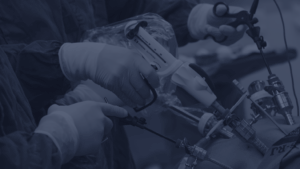
The operating room is a high-pressure environment where every second counts. Unfortunately, traditional packaging for surgical devices often adds unnecessary complexity:
- Difficult-to-open pouches or trays can delay procedures.
- Poorly organized components disrupt the flow of the operation.
- Confusing labels may lead to hesitation or misidentification.
- Unclear distinctions between sterile and non-sterile items increase the risk of contamination.
These issues can lead to longer training times, increased reliance on representative support, and slower adoption of new devices—all of which can undermine your commercial objectives. More concerningly, they create friction during critical moments where confidence and efficiency are essential.
Packaging is not just about protecting the product; it encompasses the entire user experience, from unboxing to implantation. While a sterile barrier might pass validation, it can hinder successful adoption if it frustrates the surgeon or complicates the setup.
The Link Between Packaging and Speed to Adoption
Surgical teams prefer systems that are easy to use. Human-centered packaging reduces friction in the operating room (OR) and simplifies training for surgeons and field representatives. The result is greater trust, faster onboarding, and quicker inclusion on preference cards.
When representatives can explain packaging in seconds and scrub techs can open trays without hesitation, your device makes a stronger first impression. Packaging becomes part of the brand experience, either accelerating adoption or hindering it.
In today’s competitive orthopedic landscape, ease of use is a key differentiator. Packaging that promotes fast, accurate, and aseptic setup leads to quicker product trials, faster preference formation, and increased sales momentum. That ease of use shortens the sales cycle and enhances your clinical impact.
Furthermore, hospitals and health systems increasingly consider packaging usability when making procurement decisions. Systems that save OR time, reduce setup errors, and minimize training demands are more appealing to surgeons and procurement committees aiming to streamline workflows and reduce the total cost of care.
Human-Centered Principles in Orthopedics Packaging
At Millstone, we apply proven best practices and human factors principles to execute and assemble OEM packaging configurations effectively:
- Aseptic Presentation Support: We clearly distinguish between sterile and non-sterile items to ensure intuitive, contamination-free handling.
- Procedural Kit Assembly: Components are organized in the procedural order specified by the OEM layouts, promoting ease of use during surgeries.
- Minimized Touchpoints: Our cleanroom procedures and packaging techniques reduce the number of layers and handling steps, enhancing safety and efficiency.
- Ergonomic Tray Assembly: Following OEM designs to facilitate quick retrieval, implants and instruments are positioned for safe and efficient access.
- Clear, Strategic Labeling: Labels are consistently applied according to customer specifications, ensuring compliance with UDI and supporting hospital inventory systems.
Millstone validates these practices through continuous feedback from our OEM clients and by gathering performance metrics in the field. The result is a packaging experience that aligns with surgical workflows, helping maximize your device’s value in the operating room.

How Integrated Packaging Accelerates Surgical Adoption
Millstone helps OEMs reduce time to market by executing complex configurations with precision in ISO 7 cleanroom environments. By assembling kits to exact specifications, applying compliant labeling, and managing sterile packaging under a unified quality system, we deliver consistent, OR-ready products that support faster adoption and greater confidence in the field.
- Cleanroom Kit Assembly: Each configuration team assembles the components in a controlled environment, following OEM instructions to support sterility and surgical efficiency.
- Sterile Packaging Execution: We manage the packaging process from start to finish, helping ensure barrier integrity, product protection, and regulatory alignment.
- Labeling & Traceability: Consistent label application and data capture support inventory control, UDI compliance, and hospital integration.
- Collaborative Refinement: We engage closely with OEM partners to refine execution based on feedback, real-world performance, and evolving needs.
- Tier 1 Service Model: By bringing cleanroom packaging, testing, and distribution together under one roof, Millstone eliminates handoffs and compresses timelines.
This integrated model enables OEMs to move faster, reduce variability, and launch with the confidence that every kit will arrive ready to perform.
Millstone also supports accelerated growth through integrated testing and logistics services. By aligning packaging execution with in-house validation and streamlined distribution, we help OEMs reduce delays, simplify coordination, and bring products to market faster with greater confidence and control.
Bridging the Gap Between Product Performance and Surgical Experience
Even the most advanced implant can experience slow adoption if its packaging disrupts the surgical flow. Hesitation, added setup steps, or confusion in the operating room could turn a strong product into a hard sell. Approval isn’t enough—success depends on how easily the product integrates into the surgical experience.
That’s where effective execution comes into play. Millstone helps medical device OEMs bridge the gap between design intent and surgical performance through precise, repeatable packaging assembly. By maintaining configuration integrity and supporting aseptic presentation, we ensure that your product performs in the field just as it was designed.
Consistent package design establishes surgical tech confidence, streamlines sales rep interactions in the OR, and demonstrates to hospitals a focus on both clinical results and operational efficiency. As a result, more OEMs involve packaging and assembly execution earlier in the development process, recognizing it not as an afterthought but as a key driver of adoption and long-term performance.
Seamless packaging is most effective when unnoticed, enabling everything to function smoothly. This lack of disruption is the true sign of successful execution.
Real-World Impacts of Effective Packaging
When surgical workflows align with packaging and the execution is precise, it improves compliance and enhances efficiency, usability, and trust throughout the entire value chain. Effective packaging execution can significantly accelerate adoption and support market growth.
Millstone collaborates with OEMs to deliver complex configurations through cleanroom-assembled kits that support consistency, efficiency, and surgical readiness in high-performance surgical environments.
Key areas of impact include:
- Simplified onboarding processes for surgical teams due to intuitive kit layouts.
- Improved alignment with surgical workflows, fostering confidence and familiarity in the operating room (OR).
- A reduced support burden for field representatives, thanks to consistent labeling and packaging configurations.
- Increased standardization across hospital systems through repeatable kit builds and compliant labeling.
- Smoother case preparation and setup, especially in high-volume surgical environments.
These operational improvements reflect Millstone’s commitment to helping OEMs deliver operating room-ready solutions that meet clinical expectations and support long-term adoption in the field.
Deliver Surgical Readiness, Accelerate Surgical Adoption
In orthopedic surgery, every detail matters—and packaging is no exception. The best-performing device can only succeed if it arrives in the operating room sterile, complete, and ready to use. Market leaders are moving beyond essential compliance to prioritize surgical readiness as a competitive advantage.
Millstone Medical Outsourcing assists OEMs in closing the gap between sterile packaging and practical surgical performance. Our Tier 1 model integrates cleanroom assembly, compliant labeling, procedural kit execution, and sterilization coordination all under one roof. The result is a streamlined, validated, and scalable process that protects your device and accelerates its path to market adoption.
When you partner with Millstone, you gain more than just an execution partner—you gain a strategic extension of your team. We understand how packaging impacts surgeon trust, field efficiency, and regulatory success. We ensure your device ships on time and arrives OR-ready, rep-ready, and prepared to perform.
Ultimately, it’s not just about launching a product; it’s about launching one that gets used, earns preference, and delivers value in every case.